
An advertiser’s guide to blockchain and Bitcoin
By Maryam Mahjoub, Verasity
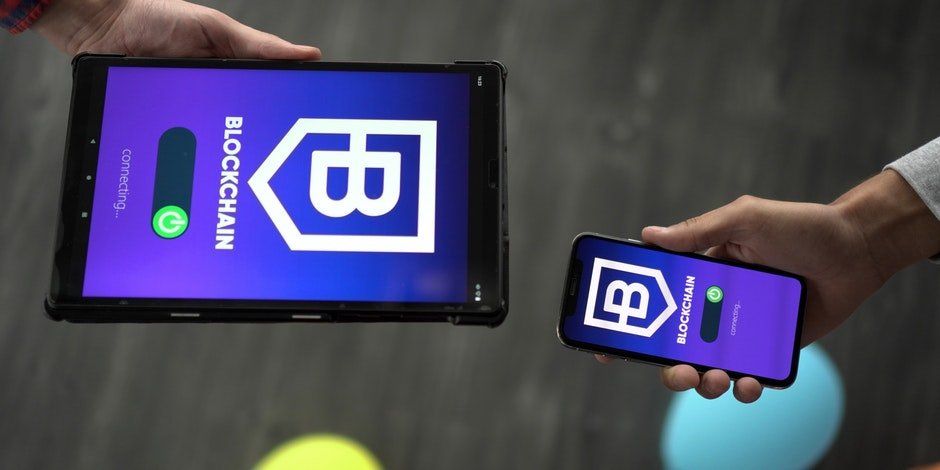
After working in blockchain for four years now, I can easily say the main thing I hear when I tell people what I do is: “I’ve heard of blockchain, but I don’t get it. What is it?”
Many have either heard of or have some understanding of Bitcoin – the first example of blockchain technology. But Bitcoin, and all cryptocurrencies, are just a small (but significant) part of blockchain technology as a whole. As blockchain becomes more mainstream across so many industries, it is critical that we as advertisers and marketers have a base understanding of the technology and what it has to offer.
Let’s start with Bitcoin. It is a decentralized digital currency (meaning no bank, country or organization controls it). It can, and does, work like any other currency (the dollar, pound and so on) – but you can’t print or hold it. Instead, you keep it in a digital wallet. And like regular fiat currency, you can buy stuff with your Bitcoin – from gift cards to real estate.
So what the hell is blockchain? It’s a decentralized ledger – meaning data is stored on ‘nodes’ across the protocol, rather than a centralized server. Transactions are captured in blocks that are linked together (hence the name). These blocks of transactional data are shared on every node, and cannot be edited without creating a transaction capturing that change. What this offers is transparency and immutability of information for all parties involved.
Bitcoin, the first blockchain solution, was created in 2009 – and the technology has evolved significantly since then. Now you have decentralized finance, supply chain management on the blockchain, blockchain in healthcare, NFTs and more. This is where my job as a marketer in blockchain became really challenging.
As blockchain technology begins to cross the chasm into mainstream adoption, confusion about the complex technology, its capabilities and its risks remain very real. This article is here to set some of the main misconceptions of blockchain straight and help provide a simple and clear understanding of what blockchain can ultimately offer enterprise organizations.
Myth: blockchain is limited to cryptocurrencies
Bitcoin, the original blockchain technology, is now just one among thousands of cryptocurrencies and tokens. This is not all blockchain is, though. Ethereum, a second-generation blockchain protocol, allows for the building of decentralized applications (or DApps). These DApps are built in a similar way to any other application we use on our laptops or mobile devices, but their data is managed on a decentralized ledger, so there is no single server or single point of failure.
We are now reaching the third generation of blockchain protocols with projects such as Cardano, Polkadot and Solana. These protocols are evolving technologies designed for scalability and interoperability. This will allow for DApps to be more efficient, sophisticated and accessible.
Myth: blockchain/crypto is for drug dealers, illegal activities and crime syndicates
One major misconception of blockchain or cryptocurrencies is that because they aren’t owned by any regulatory authority, they are really only designed for those who wish to keep their activities hidden.
For one, most major crypto exchanges have stringent ‘know your customer’ requirements – meaning if you want to buy, sell or trade your crypto you have to provide government ID, proof of residency and so on. We’re also seeing a lot of well-established financial institutions and enterprise organizations accept crypto as a source of payment, from PayPal to Tesla.
Many governments are also leveraging blockchain technology to build their own central bank digital currencies (CBDCs). China, Sweden and several other countries are currently in the pilot phase of their own digital currency, and 80% of worldwide central banks are engaged in CBDC-related research [source: Impending arrival – a sequel to the survey on central bank digital currency].
Myth: blockchain is limited to the world of finance
While decentralized finance (DeFi) is a major part of blockchain, there are so many industries that can benefit from blockchain technology. Supply chain management is a huge opportunity, and names including Deloitte and IBM are creating custom solutions to help resolve transparency issues, gray-market trading and administration costs. Brands such as Louis Vuitton and other sub-brands of LVMH Group are building end-to-end track and trace solutions on the blockchain. Why? Because blockchain is inherently immutable and transparent – meaning every stakeholder sees the same information at the same time, and nobody can change it without that change also being captured.
Blockchain can do so much more. Non-fungible tokens (NFTs) have been all over mainstream media, especially when exorbitant amounts of money have been spent on them. Simply put, an NFT is a unique asset that you can own or trade that cannot be manipulated. NFTs are expanding from digital art pieces to music, movies and gaming. This shift has the potential to completely change how business is done in each of these industries, transforming the way stakeholders collaborate with one another – but that’s a longer topic, to be addressed in the future.
These are some simple misconceptions and basic introductions as to what blockchain can do. In reality, the application of blockchain technology can fit into so many industries in so many different ways. The fact that it is so malleable also adds to the confusion of: ‘What is blockchain?’
Hopefully with time, mass adoption and a few more articles, we can make the opportunities and value of blockchain more clear.
Also published in: The Drum
Podcasts powered by
AudioHarvest
More from our team & client partners